Unlocked Words A Memoir
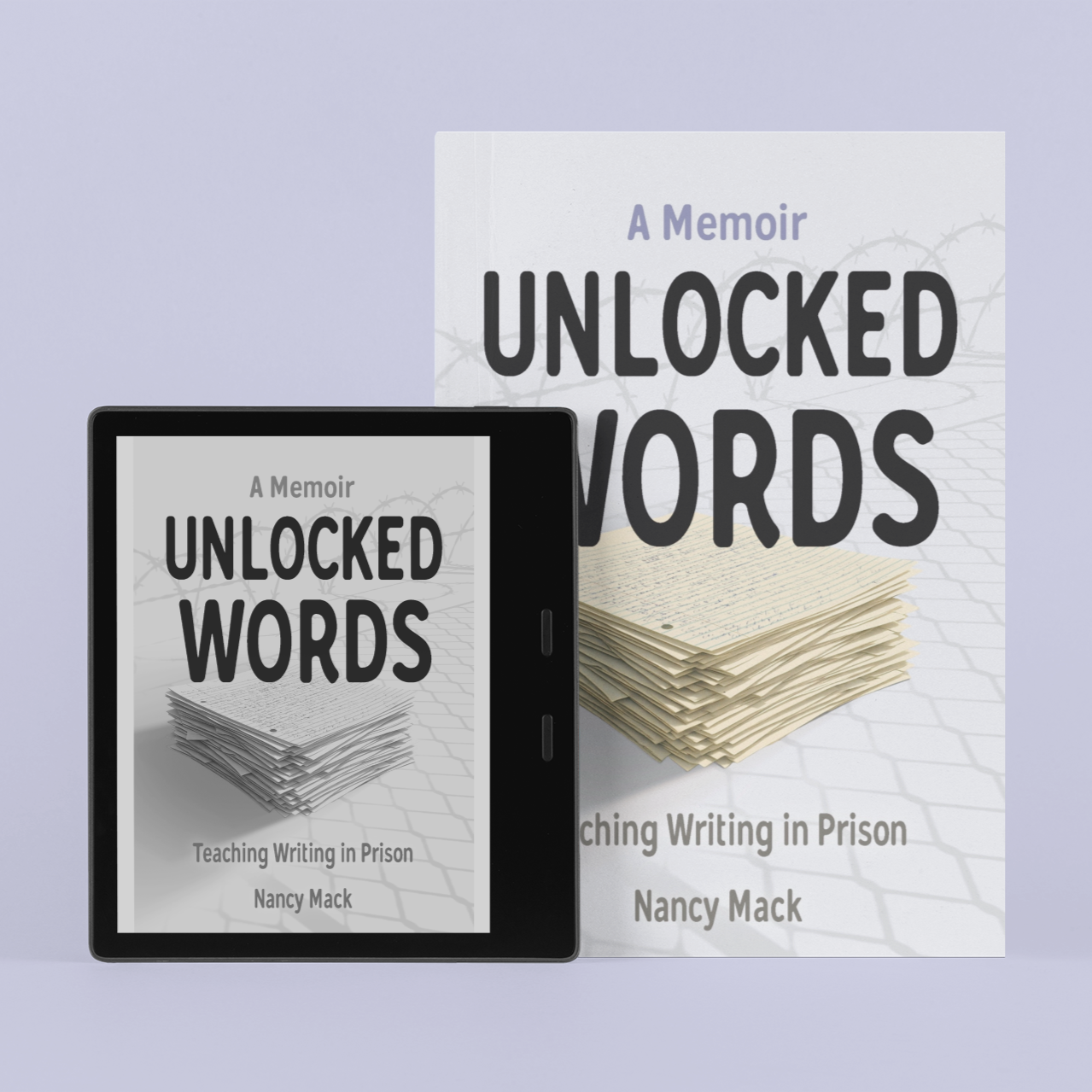
Teaching Writing in Prison
Inside a prison classroom, incarcerated men are invited to find purpose and creativity through writing about their lives. Within an institution built on punishment and control, the act of being seen and heard becomes a way to reclaim self-respect and dignity. This candid memoir demonstrates that learning moves in both directions, and writing should not begin with distressing about errors but rather with building on what students do well.
Yet this is not a story of a superhero teacher. The author resists the familiar teacher-as-savior narrative and refuses to reduce the men to monsters or victims. Moments of risk, trust, and humor expose the tensions of teaching inside prison walls. The men emerge as complex individuals, as they become writers intent on gaining integrity by telling their personal and institutional truths. In the process, the teacher learns that the men society has chosen to erase are the very ones who most need to be heard.
Who This Book Is For
Different readers will find different points of entry into this story.
Prison Life
If you’ve ever wondered what a real prison classroom is like, this book offers a rare, unfiltered view inside both men’s and women’s institutions. You’ll see how incarcerated students think, write, and fight to regain dignity and self-respect. This memoir provides a close look at everyday interactions that reveal complexity, tension, and humanity.
Educators
What happens when a teacher refuses to give up on students who hate writing?This memoir follows one instructor’s efforts to teach incarcerated students who resist putting even a few sentences on the page. Through trial, error, and candid feedback, you’ll discover practical strategies and innovative assignments that challenge assumptions about motivation, learning, and agency.
Writers
If you are interested in writing and what it makes possible, this book shows how language can help people claim identity, bear witness, and restore confidence even after being silenced. You’ll learn how reflective journaling helps all writers understand the emotional ups and downs that come while crafting essays about their lives.
Women
What does it mean to build authority in male-dominated institutions?Set in prisons and universities of the 1970s and 1980s, this memoir traces one woman’s struggle with abuses of power that make her feel like an impostor. You’ll witness how she negotiates fear and violence while developing confidence as both a teacher and a scholar.
Sociologists, Counselors, and Psychologists
How do race, poverty, and gender issues shape the lives of incarcerated men and women? Following their experiences inside and outside of prison will provide a more humane perspective about inmates. You’ll gain insight into how early school failure, institutional structures, and cultural differences affect self-perception and opportunity as well as what it takes to overcome barriers to success.
Graduate Students and Language Scholars
How can a first-generation, non-traditional college student enter academia?A teacher’s classroom research explores issues of language diversity and correctness with inmate students. Their frank comments and examples of their writing will demonstrate how writing can bolster confidence and offer agency.

Questions the Author Asked Herself
These questions changed my teaching and guided my research. This is not a teachers’ guide, but it may help you find inklings of answers for yourself.
What motivates students to write?
What misconceptions do people have about writing?
How can writers be supported in the early, uncertain stages of writing?
Why is so much student writing disengaged or formulaic?
How can research writing be more engaging for students and teachers?
What builds confidence, agency, and persistence in writing?
How can responding to drafts become faster and more helpful?
How can teaching about errors be less punishing?
Why do students make so many sentence and punctuation mistakes?
Why don’t students revise or proofread their writing?
Why do students ignore teacher comments on their writing?
How can responding to student writing become more meaningful and less exhausting?
How can a teacher gain agency with authoritarian administrators?
How can teachers remain hopeful in the face of ongoing struggles?